
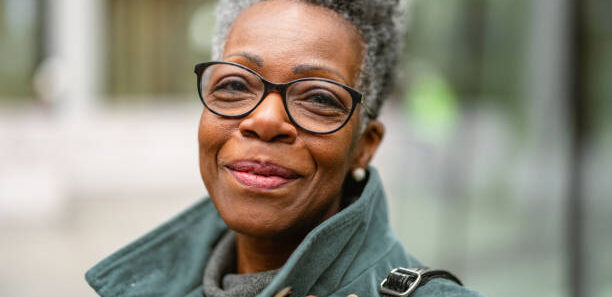
Every child has needs in a family with disabilities. Learn from Sonja’s story why early planning and intentional love matter for the whole family.

Sonja was a dear friend for a season. I am deeply grateful for her wisdom, but also for the peace she carried. To spend time with her was to feel the presence of God—a calm that quieted the storms inside me.
Our friendship began because her eldest daughter, Lola, was my student for four years. Sonja welcomed me into her life, and after Lola graduated from my program, I was invited to tea. I still remember the china cup of tea, the homemade cookies she and Lola had baked, and the joy on Lola’s face as she showed me her room. Their hallway walls were lined with Lola’s artwork, lovingly framed by Sonja as if each piece were a priceless Monet.
A Conversation Over Tea
That day, a bus arrived to take Lola to her adult day program, where she eagerly joined her friends. I lingered behind, just as Sonja had hoped. She quietly pulled out a spiral notebook and told me she didn’t believe she had many years left. At the time, she was about 76.
Sonja didn’t let me read her journal, but she wanted to pass along a few of her life lessons—truths she hoped I would carry forward. I’ve held them as treasures and shared them with families ever since.
Lesson One: Every Child in the Family Has Special Needs
Sonja had a husband and several children besides Lola. But she had poured so much of herself into caring for Lola that her other children grew up with unmet emotional needs. Her marriage didn’t survive either.
Her warning was simple but profound: when one child in a family has significant needs, all the children in that family have special needs by default. They each require intentional love and attention—sometimes from people outside the immediate family.
Lesson Two: Plan for the Future Before It’s an Emergency
Sonja also spoke about the reality of long-term care. Children with moderate to severe cognitive delays often outlive their parents. Parents may serve as caregivers when their children reach adulthood, but eventually, the question arises: What happens when Mom and Dad can no longer do this?
Too often, siblings aren’t in a position—or don’t feel called—to take on caregiving roles. That’s why Sonja urged families to have conversations early and make a plan for the future.
She explained that earlier transitions are almost always better. When a move into an adult foster home happens while parents are still strong, they can remain actively involved—bringing their loved one home for meals, outings, holidays, and vacations. The transition feels more natural, and the family has time to ensure the new placement is safe and nurturing.
Emergencies, on the other hand, rarely allow for thoughtful choices.
Carrying Her Wisdom Forward
I don’t know the full ending of Sonja and Lola’s story. Not long after our visit, Sonja began transitioning Lola into a foster home. Once that process was complete, our paths drifted apart. It has now been twenty years, and I imagine Sonja has passed away.
I wish her memoir had been published, because I know her wisdom held much more than what she entrusted to me that afternoon. Still, I carry her words—and I share them with you now.
A Final Word for Families
If you are raising a child with significant needs, I encourage you to take Sonja’s wisdom to heart. Every child in your family needs care. And planning for the future of your special needs child is a gift, not only to them, but also to the whole family.
If you’d like someone to walk alongside you in this process, I’m here to help. Whether you homeschool or not, these are transitions every family must face.
📩 You can reach me at homeschoolspecialed.pm@gmail.com